
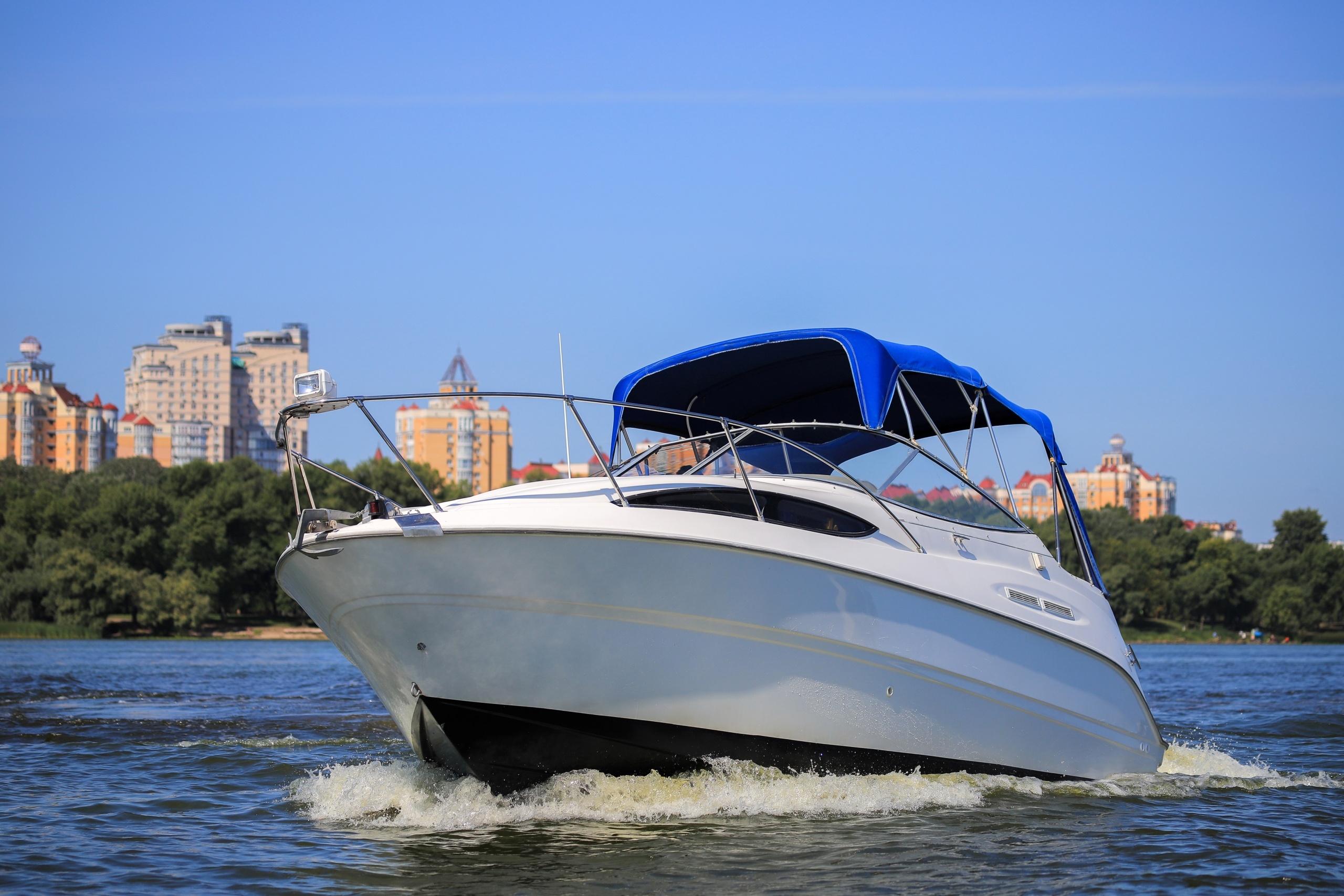
A high-quality boat cover is essential for protecting your vessel from harsh weather conditions, UV radiation, and general wear and tear. However, not all boat covers are created equal. The choice of material plays a crucial role in determining the durability, effectiveness, and longevity of the cover. Additionally, factors such as aerodynamics and seam sealing can significantly impact performance. In this guide, we’ll explore the best materials for marine covers, the importance of aerodynamic design, and why proper seam sealing matters.
1. Comparing Boat Cover Fabrics: Durability & Lifespan
When selecting a material for a boat storage cover, it’s essential to consider durability, resistance to water, and protection against UV rays. Below are some of the most common fabrics used in custom boat covers:
- Polyester – One of the most popular choices for waterproof boat covers, polyester is lightweight, durable, and resistant to UV rays. It maintains its shape well over time and offers excellent tear resistance.
- Acrylic – Known for its fade-resistant properties, acrylic is often used in Bimini tops and high-quality marine canvas covers. It provides outstanding UV protection but is typically heavier than polyester.
- Vinyl-Coated Fabrics – These materials offer superior waterproofing and are ideal for boat mooring covers. However, they can be less breathable, potentially leading to condensation issues.
- Solution-Dyed Fabrics – These provide excellent color retention and long-lasting UV protection, making them ideal for custom-fit boat covers designed for outdoor storage.
2. The Importance of Aerodynamics in Boat Cover Design
A well-fitted boat cover for trailering must take aerodynamics into account. A poorly designed cover can create excess drag, leading to unnecessary stress on the fabric and even increasing fuel consumption when towing the boat. Here’s why aerodynamics matter:
- Reduced Wind Resistance – A snug-fitting boat travel cover minimizes wind resistance, preventing the cover from flapping or tearing during transportation.
- Enhanced Fuel Efficiency – Properly designed boat towing covers reduce drag, leading to more efficient towing and less strain on your vehicle.
- Increased Longevity – Covers with strategically placed reinforcements and aerodynamic contours last longer as they experience less wear and tear from wind exposure.
3. Seam Sealing: Why It’s Crucial for Waterproof Boat Covers
Even the best boat tarps can fail if the seams aren’t properly sealed. Stitching creates tiny perforations in the fabric, which can allow water to seep through, undermining the cover’s protective qualities.
- Taped Seams – Many premium boat rain covers feature heat-sealed or taped seams, which prevent water from penetrating through the stitching.
- Welded Seams – Some high-end marine boat covers use ultrasonic welding to fuse seams together, creating a completely watertight barrier.
- Double-Stitched & Reinforced Seams – For added durability, custom boat enclosures often incorporate double stitching with additional reinforcement in high-stress areas.
Conclusion
Choosing the right material for your boat cover is about more than just aesthetics—it’s about ensuring longevity, durability, and maximum protection for your vessel. Polyester, acrylic, and vinyl-coated fabrics all offer unique benefits, while seam sealing and aerodynamic design contribute to better performance, especially for boat covers for towing. By selecting a high-quality, well-fitted cover, you can extend the lifespan of your boat and keep it in top condition for years to come.
Our Projects Geography