
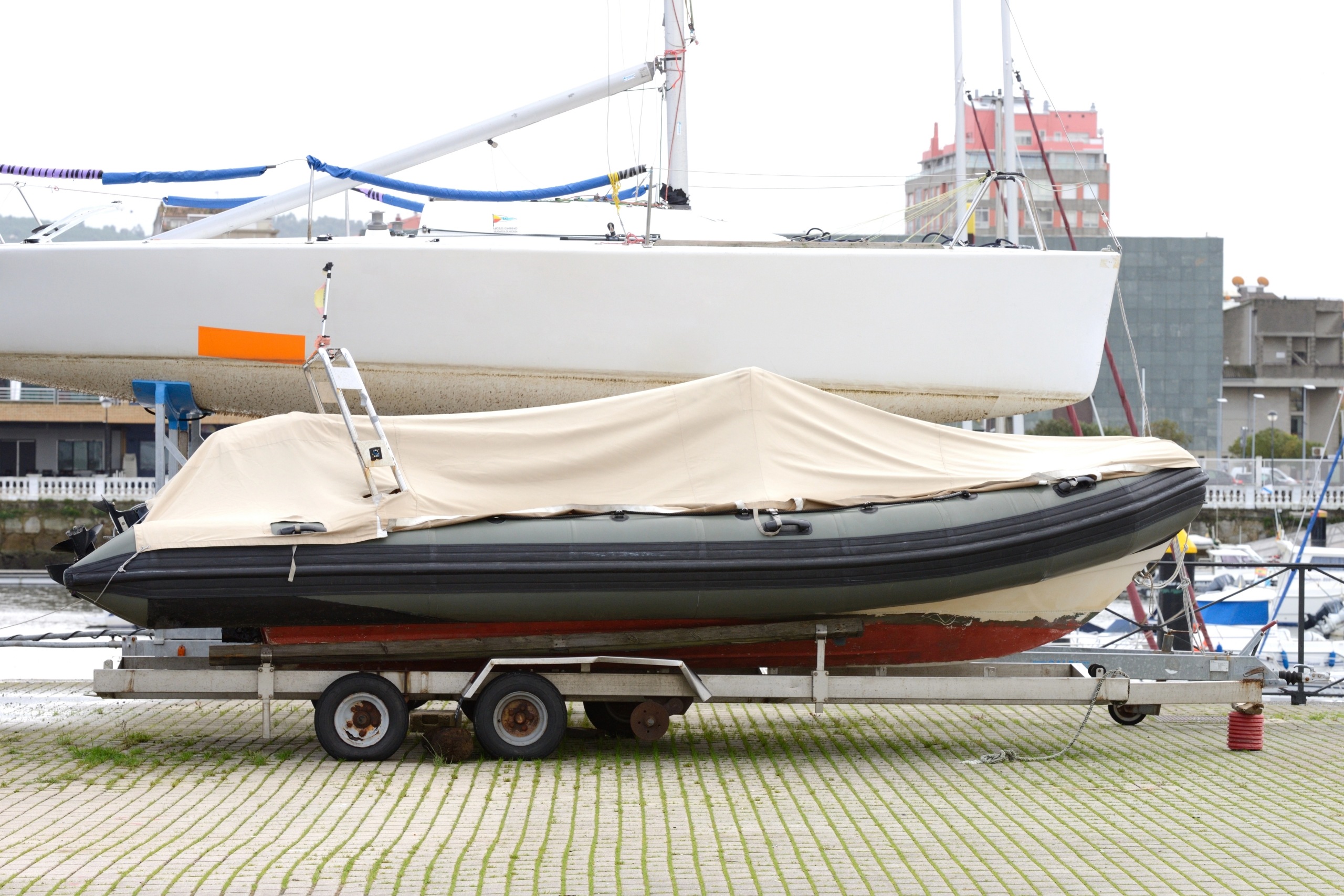
When choosing a tent for a RIB boat, most owners think primarily about comfort. Sun protection, protection from rain and wind — all of that is important, no doubt. However, there’s another side to the coin: how does this tent affect safety and maneuverability on the water? Let’s figure it out together. 😉
Limited Visibility: When the Tent Gets in the Way
Let’s start with what lies on the surface — literally. A poorly installed or incorrectly chosen boat tent for PVC boats with a rigid hull may significantly limit the captain’s visibility. This is especially relevant for high-speed maneuvering or when navigating in shallow or busy waters.
For example, if a tent for a rigid inflatable boat has too low a frontal arch or cloudy windows (and yes, it happens!), the risk of misjudging distance or not noticing an obstacle increases. So, when choosing, pay attention to:
- The height and shape of the frame.
- The transparency and quality of the film.
- The location of the mounting points.
By the way, a frame installation on a RIB boat should not interfere with instrument panels or navigation lights. It seems obvious, but in practice — oh, how often we see things done without thinking it through.
Stability and Center of Gravity: Important Technical Nuances
The second key aspect is the effect of the tent on the center of gravity and stability of the vessel. If the tent is heavy or mounted too high, it may shift the center of gravity upward. And here’s the thing: even if the sea is calm, the boat becomes more prone to rolling, and in sharp turns — to heeling.
If we talk professionally, tent tensioning and fixing on RIB boats must be calculated precisely. A tent flapping in the wind not only creates additional drag but can also become dangerous when maneuvering. Especially if it’s not secured with adequate fasteners.
Let’s assume a sudden squall hits. A poorly fixed tent on a RIB boat can act like a sail and literally destabilize the vessel. So don’t underestimate quality fastenings and proper frame geometry.
Tips for Safe Tent Use at Sea
Here’s what else we shouldn’t forget. A few practical tips:
- Use only tested models with strong and aerodynamic frames.
- Always check the mountings before departure.
- Remove the tent in extreme weather conditions.
- Don’t overload the boat with large awnings — better a minimal, aerodynamic tent for a RIB inflatable boat than a bulky sunroom.
In fact, universal tents for rigid PVC boats are great when used wisely. But, as they say, the devil is in the details. If we evaluate the situation soberly — the less extra weight and obstruction on the deck, the better. Especially if we’re talking about speed and maneuverability.
Conclusion
So, what do we have? A boat tent on a PVC boat with a rigid hull is not just a pretty picture. It’s an accessory that can either help or — let’s say it directly — negate the advantages of a maneuverable boat. The obvious fact here is: quality + correct installation = safe and comfortable navigation.
And finally — the tent for a RIB boat should match the style, not only aesthetically, but also functionally. It must visually emphasize the marine character of the vessel and, in a certain way, aesthetically visualize the image of reliability. Because — how else could it be? 😎
Our Projects Geography