
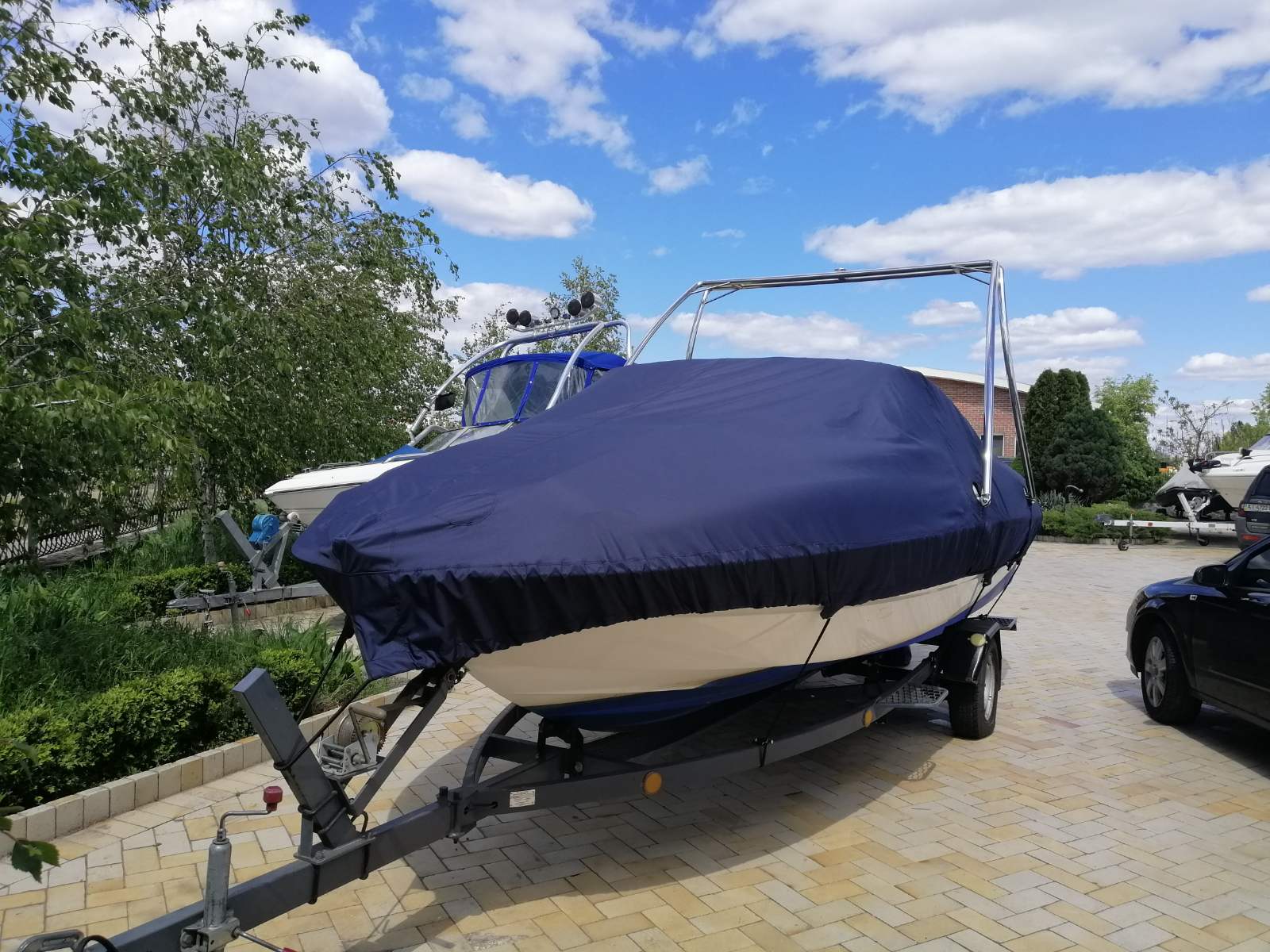
Safe yacht transportation on a trailer
Transporting a yacht on a trailer requires meticulous preparation to ensure safety, prevent damage, and comply with regulations. Below is a comprehensive guide outlining key steps for a smooth and secure transportation process.
1. Assess Legal and Permit Requirements
Before transporting your yacht, check local and federal regulations regarding oversized loads. Some jurisdictions require special permits, escort vehicles, or route approvals for large yacht transport.
2. Choose the Right Trailer and Towing Vehicle
Ensure the trailer is rated for the weight and dimensions of your yacht.
Verify that the trailer has a sturdy frame, adjustable bunks, and keel supports to evenly distribute weight.
Use a towing vehicle with adequate towing capacity, braking power, and stability to handle the load.
3. Inspect and Secure the Yacht’s Structure
Remove or secure loose equipment such as antennas, radar domes, sails, and rigging to prevent damage from wind resistance.
Check and reinforce structural integrity, including hull fittings, hatches, and fasteners.
Drain all water tanks, including bilges and ballast tanks, to reduce weight and avoid leaks.
Disconnect batteries and secure electrical systems to prevent short circuits.
4. Protect the Yacht’s Hull and Components
Apply protective covers or shrink wrap to prevent road debris, dirt, and weather exposure.
Use padded supports and tie-down straps with ratchets to secure the yacht without causing pressure points on the hull.
Check for any sharp edges that may cause wear on straps and protect them with rubber padding.
5. Check Trailer and Towing Equipment
Inspect the trailer’s tires for proper inflation and tread condition.
Ensure all lights, brakes, and safety chains are functional and comply with road regulations.
Grease wheel bearings and check for any mechanical issues before departure.
6. Plan the Route and Timing
Select the most efficient and safest route, avoiding low bridges, narrow roads, or areas with heavy traffic.
Check weather conditions to prevent hazards such as strong winds or heavy rain affecting stability.
Schedule transportation during low-traffic hours when possible to reduce risks on the road.
7. Coordinate with Professionals if Needed
If the yacht is exceptionally large or requires specialized handling, consider hiring a professional transportation service. Experts have the necessary equipment and experience to ensure a hassle-free move.
8. Prepare the Yacht’s Deck, Superstructure, and Equipment
Secure all deck equipment, including winches, cleats, and mooring lines, to prevent movement during transport.
Remove or tightly fasten any removable deck furniture, covers, and hatches to minimize wind resistance.
Protect delicate instrumentation, such as navigation systems and onboard electronics, with waterproof covers.
Ensure that all mechanical systems, including the engine, hydraulic systems, and fuel lines, are shut off and secured to prevent leaks or damage.
9. Final Pre-Transport Checklist
Verify that all legal documents, including permits and insurance, are in order.
Double-check that all items inside the yacht are secured.
Perform a final walkaround to confirm that straps are tight, tires are in good condition, and all safety measures are in place.
Conclusion
Proper preparation ensures that your yacht reaches the ocean safely and in perfect condition. By following these steps, you minimize risks, prevent damage, and comply with all necessary regulations. Whether you are transporting a small sailboat or a large luxury yacht, meticulous planning and execution are key to a successful journey.
Our Projects Geography