
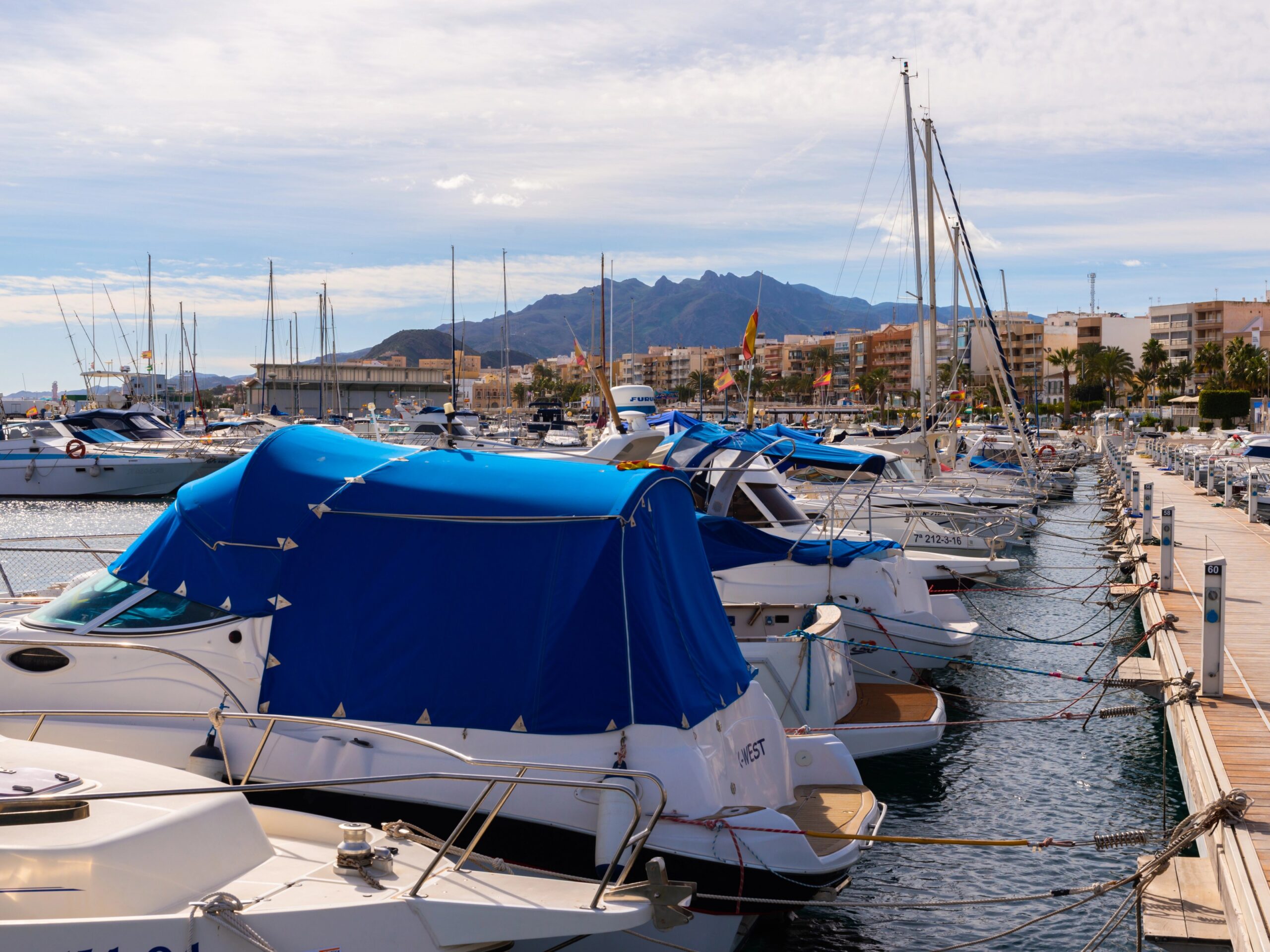
European marinas are a world of their own, shaped by climate, architecture, and sailing culture. Some demand lightweight sun-oriented solutions, while others require reinforced structures capable of handling northern winds and moisture. If we speak frankly, versatility in a marine cover is not a compromise — it is a carefully balanced combination of materials, hardware, and precise geometry.
That’s exactly why more owners are looking at universal solutions for european boat covers and yacht covers, designed to adapt to different regions without rebuilding the entire structure.
🌍 Versatility Starts with Materials — Fabrics and Their Performance
If we evaluate things realistically, fabric choice defines at least half of the project’s success. Modern marine canvas design rarely relies on a single material. For southern marinas, premium acrylic fabrics remain the benchmark:
🧵 Sunbrella® — exceptional UV resistance and color stability
🧵 Sauleda® — lightweight structure ideal for warm climates
🧵 Sattler® — balanced density with refined aesthetics
For northern and transit zones, denser polyester-based materials are often preferred:
🧵 Odyssey®, Navigator®, Discovery® — reinforced construction, wind resistance, and durability.
There is no truly universal fabric — however, hybrid solutions combining acrylic panels with reinforced sections allow custom boat covers to perform equally well in different environments.
📊 Typical applications include:
⚓ custom boat covers — hybrid material layouts
☀️ acrylic awnings on tensioned supports — lightweight shading structures
🌬 yacht canopies — transparent panels combined with dense marine fabrics
🔩 Marine Hardware — Small Details That Define Longevity
Even the best marine fabric may fail if paired with improper hardware. From a professional standpoint, fastening systems define how a cover behaves over time.
Commonly used marine components include:
🔧 DOT / Scovill fasteners — quick-release reliability
🔧 TENAX® studs — secure hold under load
🔧 LOXX® fasteners — safety with a clean aesthetic
🔧 YKK VISLON® zippers — resistance to saltwater and UV
Proper installation varies depending on the surface:
- fiberglass requires sealed drilling points and precise spacing;
- aluminum frames benefit from reinforced washers;
- wooden structures demand additional moisture protection.
These small details may seem minor at first glance — yet they are what ultimately define professional craftsmanship.
🧵 Inside a Marine Cover Atelier — From Hull Geometry to Installation
What truly separates a professional marine cover atelier from generic production is the process itself. Everything begins with understanding the boat’s geometry:
📐 railing height
📐 frame curvature
📐 hardware placement
📐 tension zones
Many marine boat covers for european marinas are designed using control-point geometry. This approach allows precise fitting without excessive tension or unwanted folds.
Material selection follows the geometry analysis. Even when aesthetics are a priority, the combination of fabrics and hardware directly influences durability and performance in real marine conditions.
☀️ Acrylic Awnings & Open Marina Spaces — Engineering Meets Lightness
Building on this philosophy, many owners now choose acrylic awnings on tensioned poles and supports. These structures create a light visual presence while still providing functional protection.
Key technical considerations include:
📍 correct tension angles
📍 anodized aluminum poles
📍 reinforced mounting zones
When executed properly, such awnings visually enhance the yacht’s silhouette without overwhelming the design.
⚓ Transit Marina Canopies — Practicality Without Compromise
Transit marinas often require quick installation and adaptability. This is where yacht canopies for european transit berths become particularly relevant — lightweight systems designed for fast setup and removal.
💡 Core advantages:
🚤 reduced structural weight
🌬 wind-resistant geometry
🧵 modular construction
These solutions integrate seamlessly into different marina environments while maintaining a refined appearance.
🧭 Installation — The Final Stage Where Craftsmanship Becomes Visible
Installation is far more than attaching fasteners. It is the moment when a cover begins to function as part of the vessel. A professional on-site installation process typically includes:
🔩 precise alignment of hardware
📐 tension calibration
🌊 sealing against water ingress
Attention to detail during installation ensures both durability and aesthetic harmony with the yacht’s design.
📘 Conclusion — Versatility Through Professional Engineering
Ultimately, universal solutions for European marinas are not about simplification — they are about intelligent design. Premium fabrics, carefully selected marine hardware, and precise engineering allow boat covers, yacht covers, canopies and acrylic awnings to adapt across climates while preserving the vessel’s refined exterior.
And that’s really the essence of modern marine canvas design — versatility does not replace individuality; it simply makes navigating Europe’s diverse marinas easier and more comfortable.
Our Projects Geography